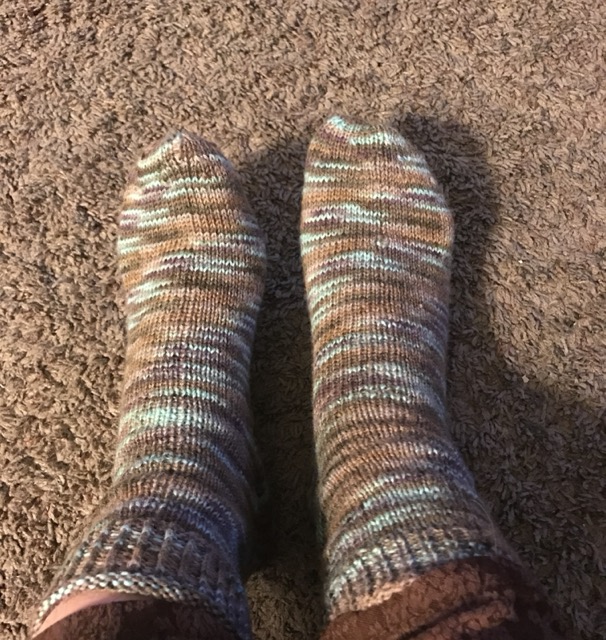
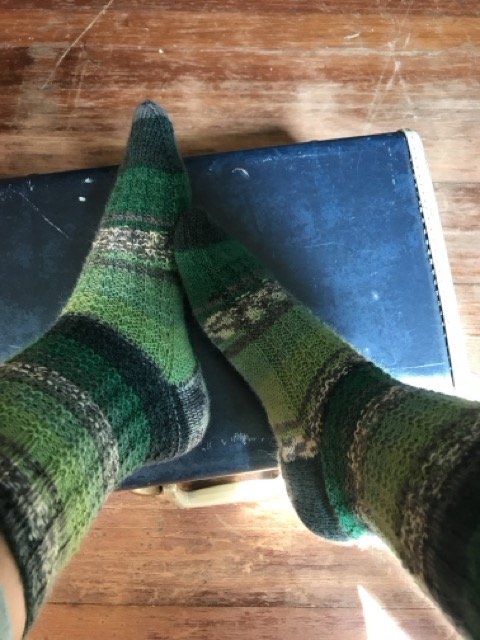
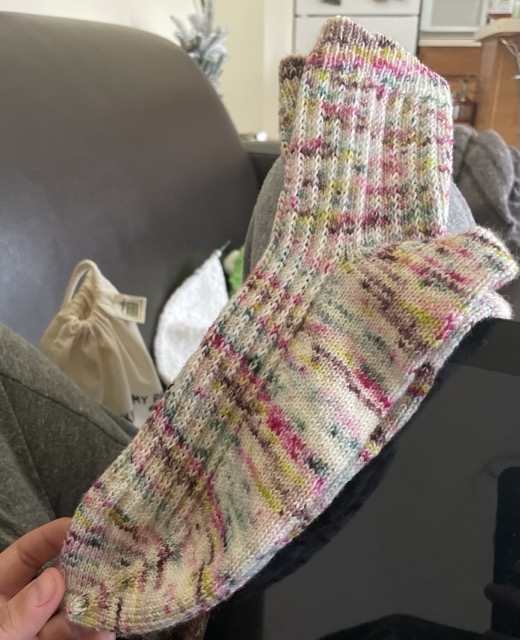
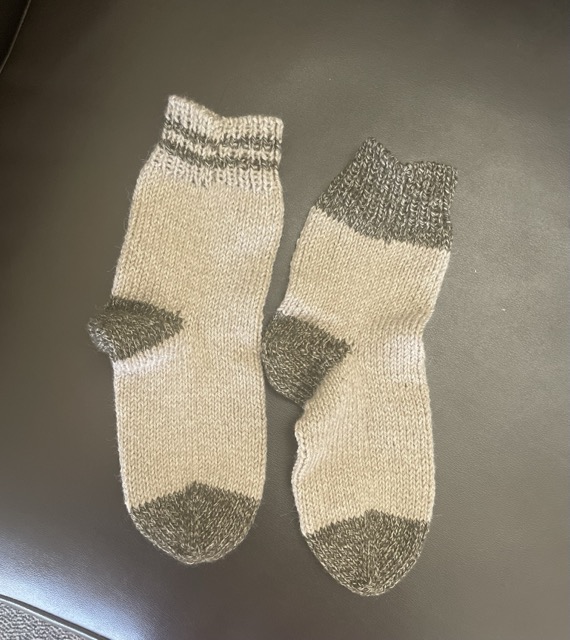
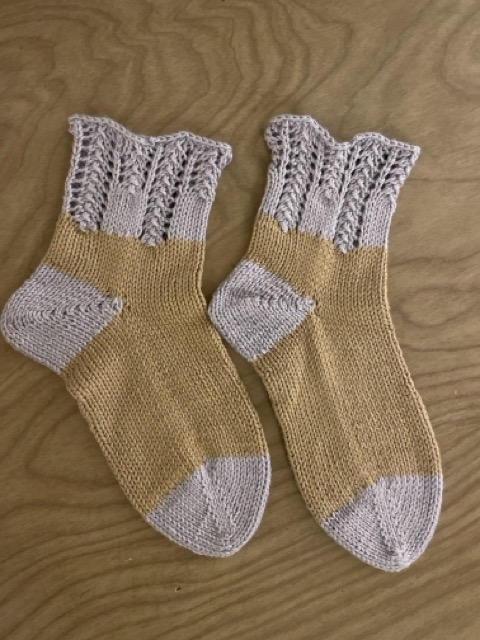
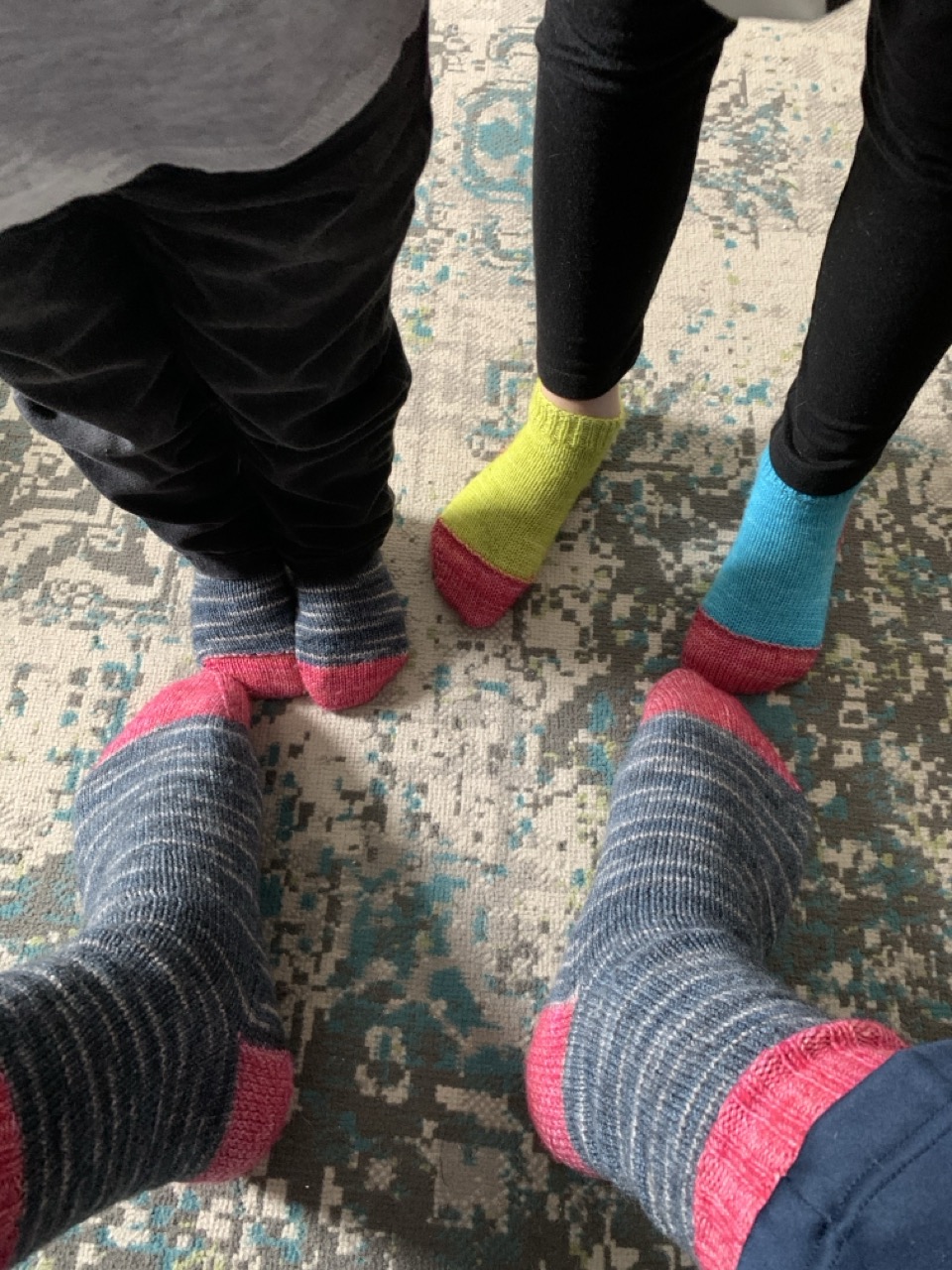
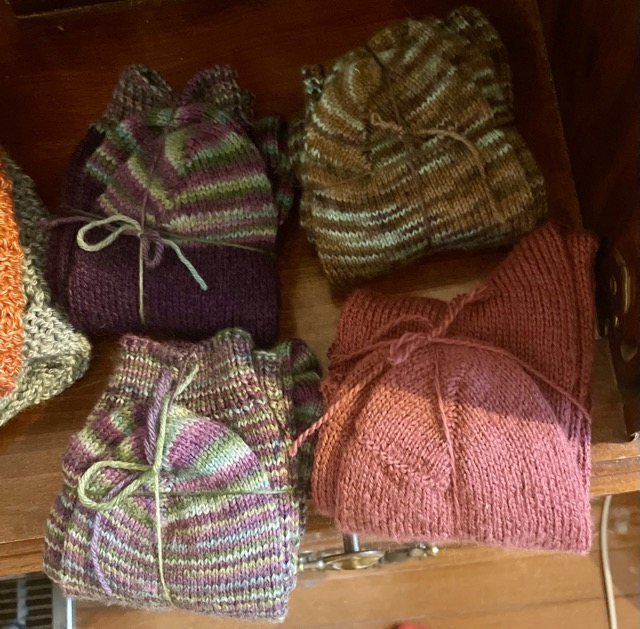
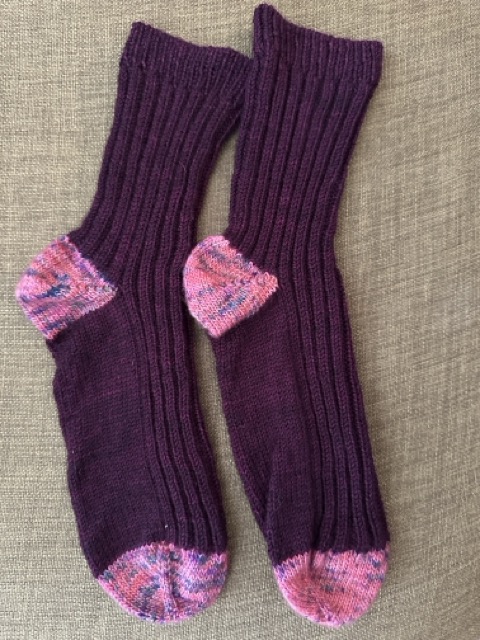
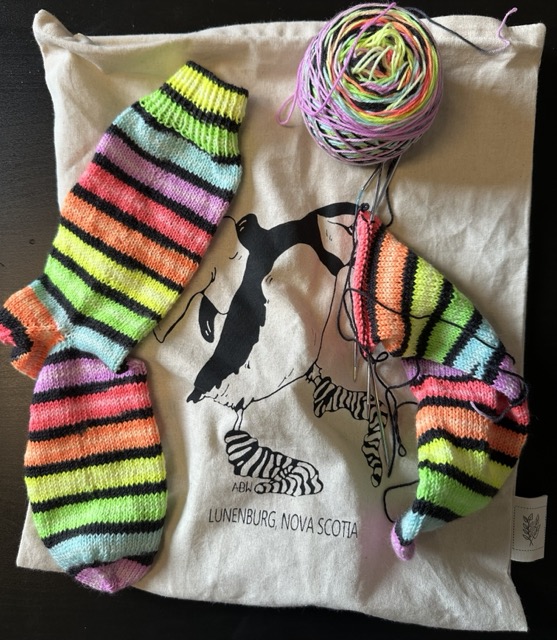
Though much of my work on rapid technological change emphasizes contemporary and ongoing technological change, I also have a keen interest in historical cases of technological advancement, particularly on the history of textiles and their role in social life. In “The Secret Life of Socks,” I analyze the history and presence of an assumedly lowly object, knitted socks, to illustrate a pattern of technological change that brings objects from a status of luxury, to a status of mass-production, to a status of disposability.
We seldom think about socks beyond which pair to don for the day, but they were once available only to the very wealthy and those who could produce their own socks. Then, with the advent of knitting machines, they became one of the first mass-produced textile objects, fundamentally shifting attitudes toward socks. Today, enough socks are produced daily for every person on Earth to have a fresh pair, yet they remain the most highly requested donation item at shelters for the unhoused. Socks were once maintained as heirlooms, and now can be thrown out and replaced with ease. Yet, shelters typically accept only donations of new socks.
Socks also have a long history of social signaling. Historically, socks were the subject of elaborate sartorial norms. Even today, "funky socks," especially paired with business casual attire, are a means of signaling one's indivdiuality without deviating from contemporary sartorial norms. When it comes to socks, There's a direct throughline from Ancient Egypt to Funky Corporate Bros. As artifacts, socks have endured in more or less the same form, signaling more or less the same set of social identities (albeit in different materials and with different styles) for an excpetionally long time. But even those who prize their funky sock collection are not likely to view their socks as luxury goods, as often happens with other socially significant clothing objects.
This trajectory from luxury all the way to disgust is not unique to socks. Their history reflects a common pattern in norms and attitudes about technological artifacts. Objects upon which we rely for everyday comfort and hygiene become beneath our notice. The same sort of transformation can be identified everywhere from small appliances to medical equipment.
I will admit, I am attuned to our normative relationship toward socks in large part because I really enjoy hand knitting socks. As many fiber artists would agree, a sock-in-progress is a portable project, easily thrown into one's bag to work on in periods of downtime. Over the past decade, I have produced dozens of pairs of socks using many materials and techniques.
Making one's own socks can't help but reveal the hidden complexity of such an object and raise questions about the long history that transformed socks from requiring days or weeks to produce, to the fairly disposable objects we know today. Knitters, myself included, take a certain pride in resisitng the fast-moving cycle of clothing and accessories from trends to trash. Hand-knit, heirloom-quality socks, especially when one repairs them as they wear out, can last decades.
The lessons we can draw from careful examination of the history and present of knitted socks are manifold: Stories about evolving norms, traditions, and attitudes toward repair and obsolescence, for example. But we can also trace the endurance of "obsolete" technology in sub-cultures, like the fiber arts community, who persist in valuing that which is typically dismissed. Every sock, whether mass-manufactured, hand-knit, plain, or funky, is a part of a long and storied technological trajectory.
Hover over or long press on each image for details!
For more of my fiber arts exploits, check out my knitstagram.